
Understanding the Comic Book Design Landscape
The world of comic book design is a vibrant tapestry woven from rich narratives and stunning visuals. As we delve into 2026, the expectations and standards for comic book aesthetics continue to evolve, influenced by both technology and the ever-changing tastes of audiences. This article will explore not only the current trends dominating the comic book landscape but also the historical context that has shaped these trends. Additionally, we’ll highlight the essential tools and techniques that aspiring comic book artists can leverage to create compelling work. For those interested in more insights about the industry, batmanloyal.com serves as a valuable resource.
Overview of Comic Book Aesthetics and Trends
Comic book aesthetics have historically been marked by bold lines, vibrant colors, and unique character designs that draw readers into fantastical worlds. Trends shift over time, reflecting the cultural zeitgeist and technological advancements. For instance, the introduction of digital art tools has transformed traditional styles into hybrid formats, allowing for more experimentation. In 2026, we see a rise in minimalist designs and monochromatic palettes, which contrast sharply with the explosive colors and intricate details of earlier years.
Historical Perspectives: Evolution of Comic Style
The evolution of comic book style can be traced back to the early 20th century, where the simplistic drawings of characters like Superman and Batman paved the way for what we know today. Each decade has brought its own aesthetic shifts, from the detailed realism of the 1980s to the experimental styles of the 2000s. Today, the integration of diverse cultural influences is evident, resulting in a broader range of styles that cater to a global audience.
Current Challenges for Designers in 2026
As the industry progresses, comic book designers face fresh challenges, particularly with the saturation of the market. Standing out requires innovative storytelling techniques and distinctive art styles. Furthermore, adapting to rapidly changing technology and consumer preferences necessitates continuous learning and flexibility in creative processes. Artists must also navigate the financial aspects of their work, determining how to monetize their creations effectively without compromising artistic integrity.
Essential Tools for Comic Book Creation
Software Recommendations for Digital Artists
The rise of digital artistry has revolutionized comic book creation. Programs like Adobe Photoshop and Clip Studio Paint are industry staples, offering powerful tools for illustration and coloring. Emerging software, such as Procreate for iPad, provides accessibility for artists who prefer working on the go. For webcomics, platforms like Webtoon and Tapas have become essential for reaching audiences directly.
Hardware Essentials: Tablets, Monitors, and More
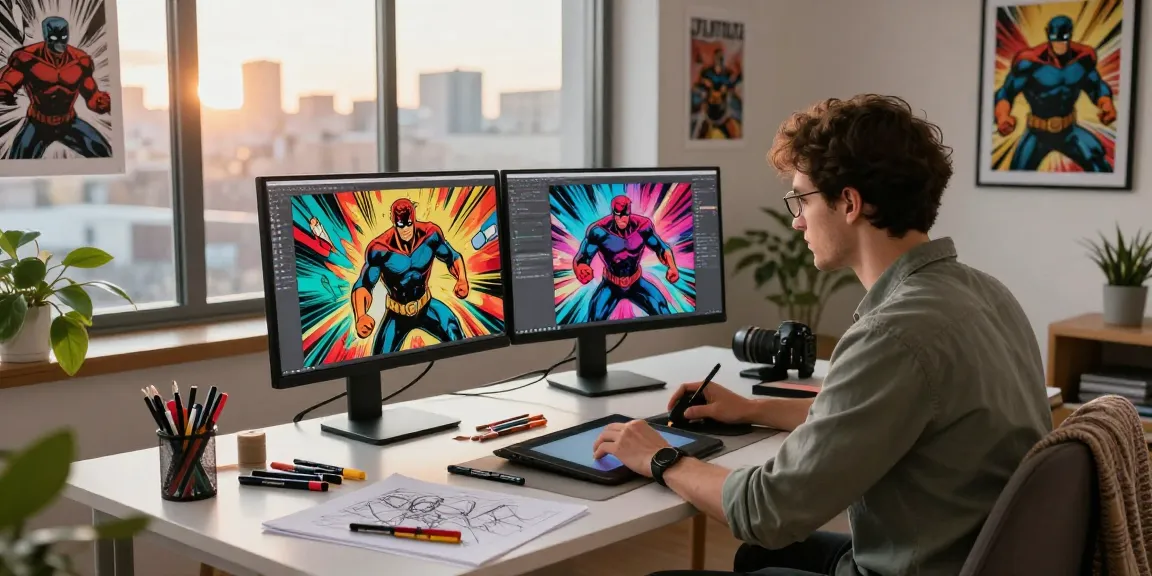
Choosing the right hardware is critical for comic book artists. High-quality drawing tablets like the Wacom Cintiq or Huion Kamvas allow for precise control and a seamless drawing experience. Additionally, a color-accurate monitor is vital for ensuring the final product appears as intended across different devices.
Materials and Techniques for Traditional Artists
Traditional comic artists continue to thrive, employing a variety of materials such as ink pens, markers, and high-quality paper. Techniques like inking and watercolor can yield stunning visual effects that resonate with readers emotionally. Understanding the properties of different materials and how they interact can significantly enhance the overall aesthetic quality of a comic.
Best Practices for Character Illustration
Creating Compelling Character Designs
The heart of any comic book lies in its characters. Designing memorable characters involves understanding their backgrounds, motivations, and personalities. Iconic characters often have unique features or styles that make them instantly recognizable. Employing silhouette design techniques can also help in ensuring that characters stand out even when lacking detail.
Using Color Theory Effectively
Color theory plays a crucial role in character illustration. Understanding the emotional impact of colors and how they can be combined to evoke specific responses is essential. For example, using a palette of warm colors can convey energy and excitement, while cooler hues can create a sense of calm or melancholy.
Incorporating Narrative Elements into Visuals
Successful character design must integrate seamlessly with the narrative. Artists should consider how visual elements can reflect a character’s journey or development throughout the story. This might include subtle changes in their color palette or alterations in their attire that signify growth or change.
Publishing and Distributing Your Comic Work
Understanding Different Publishing Platforms
Comic artists today have access to an array of publishing platforms. Traditional publishing houses remain a viable option; however, self-publishing has gained immense popularity due to the rise of digital platforms. Each avenue has its pros and cons, and understanding these can aid artists in choosing the right path for their work.
Marketing Strategies for Comic Artists
Effectively marketing comic work involves a combination of social media presence, engagement with fans, and strategic partnerships. Utilizing platforms like Instagram and Twitter can help artists showcase their work and connect with a larger audience. Additionally, participating in comic conventions and online forums can provide networking opportunities and critical feedback.
Building a Portfolio That Stands Out
Your portfolio is a vital tool for showcasing your skills and attracting potential clients or publishers. Include a diverse range of work that highlights your best pieces and demonstrates versatility in style and technique. Quality over quantity is key; a well-curated portfolio will speak volumes about your capability as an artist.
Future Trends in Comic Book Design
Technological Innovations Shaping the Industry
As technology advances, so does the comic book industry. Innovations such as augmented reality (AR) and virtual reality (VR) are starting to shape how stories are told and experienced. These technologies allow readers to engage with content in more immersive ways, potentially reshaping narrative formats for the next generation of comics.
Predictions for Comic Book Genres in 2026
The landscape of comic book genres is predicted to broaden even further in 2026. As more diverse voices enter the industry, genres such as speculative fiction, graphic memoirs, and horror are expected to gain prominence. This diversification will cater to a wider audience, making the medium more inclusive and relatable.
Success Stories: Artists to Watch in the Coming Years
Several emerging artists are already making waves in the comic book world, demonstrating the potential of innovative storytelling and unique artistic styles. Keeping an eye on these artists can provide inspiration and insight into the future trajectory of comic book design.
What is the best software for comic book design?
While the best software can vary based on personal preference, industry standards like Adobe Photoshop and Clip Studio Paint are frequently recommended for their robust features tailored for comic creation.
How can I market my comic book effectively?
To market a comic book effectively, establish a strong online presence, engage with potential readers through social media, and participate in comic events to build network connections.
What are the key elements of a superhero design?
Key elements of superhero design include a distinctive costume, an emblematic symbol, and a clear backstory that influences their visual representation and appeal.
How has comic book design progressed over the years?
Comic book design has evolved significantly, from simple line drawings in early comics to the complex, multi-layered artwork of modern graphic novels, integrating diverse styles and technologies.
What are emerging trends for comic art in 2026?
Emerging trends in 2026 include an increasing focus on minimalism, the integration of AR/VR technologies, and a broader representation of cultures and narratives in comic storytelling.


