
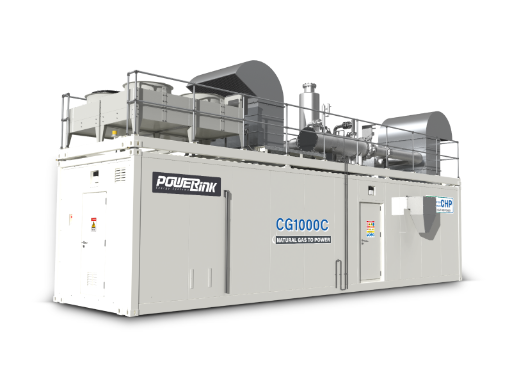
As industries face increasing pressure to improve efficiency, reduce operating costs, and meet sustainability goals, energy management has become a major priority. Businesses today require reliable power solutions that can adapt to changing energy demands while maintaining operational continuity. This growing need has encouraged organizations to explore advanced technologies that offer greater flexibility than traditional energy systems.
Hybrid energy systems are emerging as an effective solution for modern industrial operations. By combining multiple energy sources and storage technologies, these systems help businesses optimize energy usage while supporting reliable gas generator across a wide range of applications.
The Growing Demand for Hybrid Energy Solutions
Industrial facilities often operate in environments where energy requirements can vary significantly throughout the day. Relying on a single power source may not always provide the flexibility needed to meet changing operational demands.
Hybrid energy systems address this challenge by integrating different technologies into a single energy infrastructure. These solutions can improve energy efficiency, enhance reliability, and help businesses better manage power consumption. As industries continue to modernize, hybrid systems are becoming an increasingly important part of long-term energy strategies.
Benefits of Hybrid Energy Systems
Hybrid technologies offer several advantages for organizations seeking more efficient energy management.
Improved Energy Efficiency
By combining multiple power sources, hybrid systems can optimize energy usage and reduce unnecessary fuel consumption.
Enhanced Reliability
Businesses can maintain continuous operations by utilizing different energy resources when demand changes or disruptions occur.
Greater Sustainability
Hybrid systems can support environmental objectives by incorporating cleaner energy technologies into existing operations.
Flexible Power Management
Organizations can tailor hybrid solutions to meet specific operational requirements and energy goals.
Hybrid energy systems are commonly used in:
• Manufacturing facilities
• Construction projects
• Mining operations
• Commercial buildings
• Telecommunications infrastructure
• Remote industrial sites
These applications demonstrate the growing importance of hybrid technologies in modern Power Generation environments.
Choosing the Right Hybrid Energy Strategy
Selecting a hybrid energy solution requires careful consideration of energy demand, site conditions, operational objectives, and available technologies. Businesses should evaluate how different power sources can work together to improve efficiency and reliability.
For organizations exploring advanced energy solutions, Power Generation offers technologies that support hybrid energy applications across various industries. In many cases, a gas generator can be integrated into a hybrid system to provide dependable power while helping businesses create a more flexible energy infrastructure.
Conclusion
As industrial energy requirements continue to evolve, hybrid systems are becoming an essential tool for improving efficiency, reliability, and sustainability. Their ability to combine multiple technologies allows businesses to better manage energy resources while adapting to changing operational needs.
Whether supporting industrial facilities, commercial operations, or remote projects, hybrid solutions are helping shape the future of Power Generation. By incorporating technologies such as a gas generator into broader energy strategies, organizations can build more resilient and efficient power systems for the years ahead.