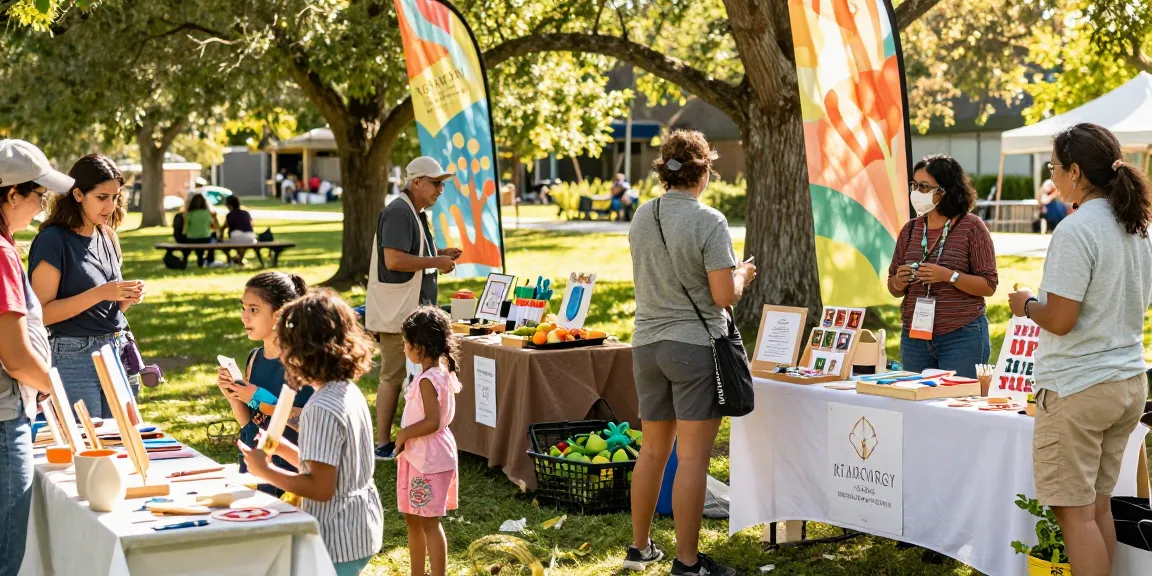
Understanding the Role of Community Engagement
Community engagement plays a crucial role in fostering strong and healthy communities. It involves the process where individuals, groups, and organizations come together to identify and address issues that affect them. By increasing involvement and interaction among community members, engagement initiatives can lead to more effective solutions to local problems. As we look towards 2026, the importance of such engagement will only be magnified, particularly as communities face evolving challenges and expectations. For more insights into community engagement practices, you can explore https://neam.org.uk.
What Is Community Engagement?
Community engagement refers to the collaborative process of working alongside community members to address issues that matter to them. This process involves listening to local voices, understanding their needs, and involving them in decision-making. It can take various forms, including public meetings, workshops, and collaborative projects, all designed to foster a sense of ownership and accountability among participants.
Benefits of Active Community Participation
- Empowerment: Community engagement empowers residents by giving them a voice in local governance, leading to greater satisfaction with the decision-making process.
- Stronger Connections: Engaging with one another fosters a sense of belonging and strengthens social ties, which are crucial for community cohesion.
- Effective Solutions: When community members contribute their perspectives, decisions are often more effective and sustainable.
- Increased Awareness: Active participation raises awareness of local issues, galvanizing support for initiatives that address community needs.
Challenges in Community Engagement Efforts
Despite the benefits, community engagement can be fraught with challenges. Often, there may be a lack of trust between residents and authorities, which can hamper open dialogue. Additionally, reaching a diverse audience can be difficult, especially among marginalized groups who may feel disenfranchised. Ensuring that engagement initiatives are inclusive and representative remains a critical hurdle that must be addressed to facilitate genuine community collaboration.
Strategies for Effective Community Engagement
Successful community engagement requires thoughtful strategies that prioritize building relationships and trust. Engaging residents is not a one-time event but rather an ongoing process that requires sustained effort over time. Below are strategies to enhance community engagement effectively.
Building Trust with Local Residents
Establishing trust is vital in fostering community engagement. This can be achieved through consistent communication, transparency in decision-making, and genuinely listening to community concerns. Building personal relationships, perhaps through informal gatherings or listening sessions, can also help bridge gaps between residents and organizations or local authorities.
Innovative Approaches to Foster Participation
To foster greater participation, it's essential to adopt innovative approaches that resonate with community members. This could include partnering with local artists to create interactive community art projects or initiating participatory budgeting processes where residents have a direct say in how funds are allocated. Such creative efforts not only engage people but also make participation enjoyable and rewarding.
Leveraging Technology for Engagement
In today's digital age, technology can be a powerful tool for community engagement. Social media platforms, mobile apps, and online forums can facilitate broader reach and engagement in real-time. Moreover, technology can assist in gathering feedback through surveys, polls, and even virtual town hall meetings, allowing for greater inclusivity and participation from those unable to attend in person.
Measuring Success in Community Initiatives
To understand the impact of community engagement efforts, it's essential to implement effective measurement strategies. By assessing outcomes and processes, organizations can determine what works well and where improvements are needed.
Key Performance Indicators for Engagement
Key Performance Indicators (KPIs) can vary depending on the community's unique goals. Common indicators include participation rates, the diversity of attendees, and the number of initiatives that arise from engagement efforts. Tracking these metrics over time provides insight into the effectiveness of strategies employed.
Collecting Feedback and Data Analysis
Collecting feedback is vital to gauging the success of community initiatives. This can be performed through surveys, interviews, and focus groups. Analyzing this data can reveal insights that help refine future engagement strategies, ensuring they remain relevant to community needs.
Case Studies of Successful Community Programs
Examining successful community programs can provide invaluable lessons. For instance, the "Chicago Asset-Based Community Development" movement emphasizes leveraging existing community assets to drive engagement and development. Another example can be seen in the "Participatory Budgeting" approach in New York City, where residents vote on how to allocate funds for neighborhood projects. Both illustrate that when communities take charge, the outcomes can be transformative.
Future Trends in Community Engagement
As we look beyond 2026, several trends are anticipated to shape the landscape of community engagement.
Anticipating Changes in 2026
In the near future, community engagement will likely see a shift towards more hybrid models that combine in-person interactions with virtual elements. This trend aims to cater to a wider audience and incorporate diverse perspectives, accommodating the needs of busy residents and those with mobility challenges.
Impact of Technology on Community Interactions
Advancements in technology will continue to redefine community engagement practices. Artificial intelligence and machine learning could facilitate better analysis of community needs, while virtual reality might offer immersive engagement experiences that deepen understanding of local issues.
Foreseeing Community Needs and Expectations
Emerging trends reveal that communities will increasingly expect transparency and involvement from local leaders. This anticipation requires proactive engagement strategies to ensure communities feel respected and valued in the decision-making processes that affect their lives.
Frequently Asked Questions
How can I get involved with local community efforts?
Getting involved is often as simple as attending local meetings or events. Many communities offer volunteer opportunities that allow residents to contribute to projects they are passionate about.
What are the benefits of attending community events?
Attending community events provides numerous benefits, including networking opportunities, access to valuable information, and the chance to develop a deeper understanding of local issues.
What role does local government play in community engagement?
Local governments are critical in facilitating community engagement. They provide resources, organize events, and act as liaisons between residents and various stakeholders, ensuring that local voices are heard.
How can businesses contribute to community initiatives?
Businesses can play a significant role by sponsoring events, offering resources, or partnering with local organizations to support initiatives that benefit the community.
What are effective ways to communicate with community members?
Effective communication involves using multiple channels, including social media, newsletters, and community boards. Tailoring the message to the audience is key to fostering understanding and engagement.