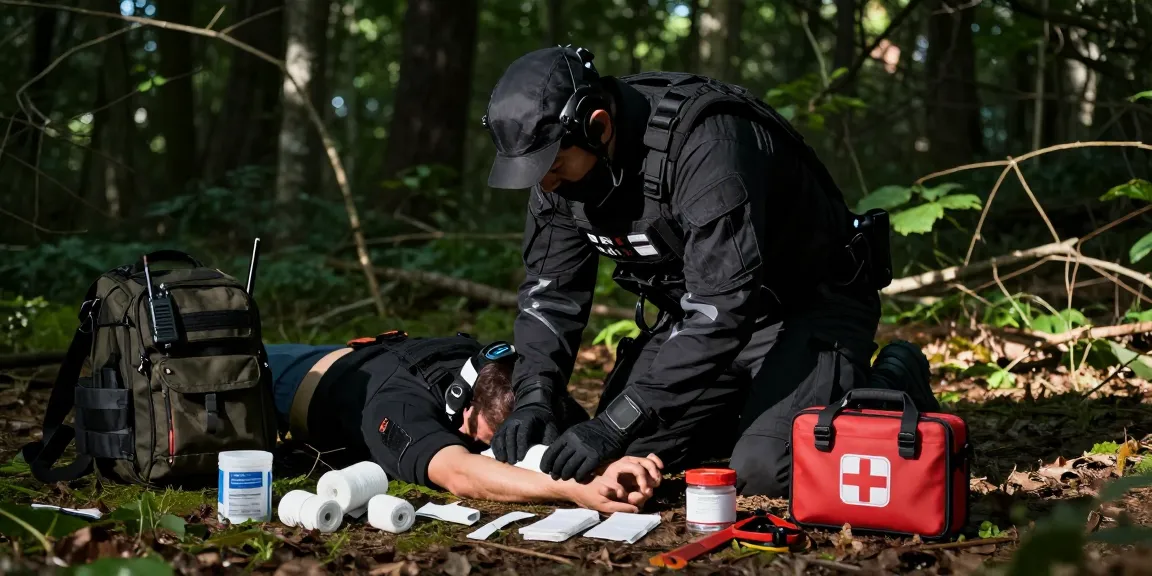
Understanding the Tactical First Aid Kit Essentials
In today's unpredictable world, being prepared for emergencies is more crucial than ever. Whether you're an outdoor enthusiast, a law enforcement officer, or someone simply looking to enhance personal safety, understanding the essential components and uses of a Tactical First Aid Kit can be a game-changer. These kits are designed to provide immediate care in high-stakes situations, often where standard first aid supplies may fall short.
What is a Tactical First Aid Kit?
A Tactical First Aid Kit (TFAK) is a specialized collection of medical supplies and equipment tailored for treating traumatic injuries in emergency situations. Unlike conventional first aid kits that might include minor wound dressings and over-the-counter medications, tactical kits are optimized for combat or high-risk environments. They typically focus on life-saving interventions and robust trauma management capabilities, making them indispensable for military personnel, first responders, and outdoor adventurers.
Key Components of a Tactical First Aid Kit
The effectiveness of a Tactical First Aid Kit largely depends on its contents. Here are the essential components that should be included:
- Tourniquets: Essential for controlling severe bleeding, a tourniquet can save a life if applied quickly and correctly.
- Combat Gauze: Designed for packing wounds, combat gauze helps to clot blood in deep injuries.
- Dressing and Bandages: Sterile dressings and bandages are critical for covering wounds and preventing infections.
- Chest Seals: Used to treat open chest wounds, these seals prevent air from entering the chest cavity.
- Trauma Shears: These scissors are designed to cut through clothing and bandages quickly.
- CPR Mask: A barrier device for performing mouth-to-mouth resuscitation safely.
- Emergency Blankets: Helpful for preventing hypothermia in shock victims.
- Pain Management: Include medications to alleviate pain, such as NSAIDs like ibuprofen.
How Tactical Kits Differ from Standard First Aid Kits
While both tactical and standard first aid kits aim to provide emergency care, they cater to different scenarios and needs. Standard first aid kits often contain supplies for minor injuries such as cuts and bruises, suited for home use or casual activities. In contrast, tactical kits are specifically designed to handle severe trauma. They prioritize supplies that can manage hemorrhaging, airway obstructions, and other life-threatening conditions, which are more likely to occur in combat, wilderness, or disaster situations.
Why Every Tactical Kit Should Include Advanced Supplies
In high-pressure environments, the right equipment can make the difference between life and death. It’s essential that tactical first aid kits are equipped with advanced supplies that go beyond basic first aid. High-quality ingredients can significantly enhance your ability to manage trauma.
Must-Have Medical Supplies for Emergency Situations
When assembling or evaluating a Tactical First Aid Kit, consider including advanced medical supplies such as:
- Hemostatic Agents: Products that promote quick blood clotting and reduce hemorrhage.
- Airway Management Tools: Suction devices and other airway adjuncts to maintain clear air passages.
- Splinting Materials: To stabilize fractures and injuries before professional medical assistance is available.
- Burn Dressings: Specialized dressings for treating burn injuries effectively.
Innovative Tools for Trauma Management
Technology is rapidly evolving, and so are the tools available for trauma management. Innovations such as portable ultrasound devices and advanced wound dressings that can adapt to various injuries enhance a kit's capabilities. These tools are particularly beneficial for those working in remote or high-risk environments, where access to immediate medical care is limited.
Real-life Scenarios Requiring Enhanced Medical Gear
Consider the types of emergencies that may arise in your day-to-day life or profession. For instance:
- Outdoor Adventures: Hiking or camping can lead to injuries from falls or wildlife encounters.
- Urban Emergencies: Active shooter scenarios or natural disasters may necessitate immediate life-saving interventions.
- Military and Law Enforcement: Personnel in these fields often face combat scenarios where tactical first aid is critical.
Best Practices for Using a Tactical First Aid Kit Effectively
Having a tactical first aid kit is only the first step. Knowing how to use it effectively can be lifesaving. Correct application of first aid principles is essential in emergencies.
Step-by-Step Guide to First Aid Application
Follow these steps when administering first aid:
- Assess the Situation: Ensure the area is safe before approaching the victim.
- Check Responsiveness: Determine if the victim is conscious and responsive.
- Call for Help: If necessary, contact emergency services immediately.
- Administer First Aid: Use the supplies in your kit based on the nature of injuries.
- Monitor the Victim: Keep an eye on their condition until professional help arrives.
Training and Skills Needed for Effective Use
First aid skills can diminish over time without practice. It is recommended to undergo regular training sessions to maintain proficiency. Consider enrolling in first aid and CPR courses offered by organizations like the American Red Cross or local community centers. Understanding trauma care can greatly improve your confidence and effectiveness during emergencies.
Common Mistakes to Avoid in Tactical Care
Here are some common pitfalls to avoid when using a Tactical First Aid Kit:
- Ignoring Personal Protection: Always wear gloves and masks to protect yourself while providing care.
- Improper Use of Supplies: Familiarize yourself with each item in your kit to avoid incorrect application.
- Neglecting to Monitor Vital Signs: Keeping track of the victim’s responsiveness and breathing can help assess the need for further intervention.
Preparing Your Kit for Various Environments and Situations
Environmental factors can significantly impact the effectiveness of your tactical first aid kit. Tailoring your kit to different scenarios can prepare you for a wide range of emergencies.
Adapting Your Kit for Urban vs. Wilderness Settings
In urban settings, your tactical kit might need additional supplies for treating gunshot wounds or dealing with traumatic injuries resulting from vehicle accidents. Wilderness kits, on the other hand, should focus on treating environmental injuries like bites, stings, or hypothermia. Always consider the specific risks of the environment you’re in when preparing your kit.
Considerations for Natural Disasters
Natural disasters often require immediate and efficient handling of injuries. Tailoring your tactical first aid kit for such situations might involve including items like multi-tools that can assist in debris removal or additional supplies for hypothermia prevention if you're in a flood or snow-affected area.
Traveling with a Tactical First Aid Kit
When traveling, ensure your first aid kit complies with airline regulations and is easily accessible. It’s also wise to familiarize yourself with the local medical facilities and emergency contacts of your destination.
The Future of Tactical First Aid Kits in 2026
As we look ahead to 2026, the landscape of tactical medical gear continues to evolve. The integration of technology, user-friendly designs, and enhanced portability are trends likely to shape the future of tactical first aid supplies.
Emerging Trends in Medical Gear and Technology
New technologies, such as telemedicine and wearable medical devices, are beginning to revolutionize the way first responders and individuals can assess and manage trauma. Kits might incorporate smart devices that provide real-time feedback or instructional videos on care techniques.
Lessons Learned from Recent Emergency Responses
Recent events have highlighted the importance of preparedness and rapid response. The evolution of tactical first aid kits has been influenced by insights gained from recent emergencies, leading to better training protocols and equipment designs that can save lives.
Advice from Experts on Kit Evolution and Usage
Experts emphasize the need for constant evaluation and adaptation of tactical first aid kits. This includes regularly updating supplies based on emerging medical practices and technologies, as well as tailoring kits to fit the personal needs and environments of users.
What are the indicators of a quality Tactical First Aid Kit?
A quality tactical first aid kit should be durable, compact, and contain essential items that can address a variety of emergencies. Look for kits that include a wide range of supplies, are user-friendly, and come with a clear organizational system.
How to ensure your Tactical First Aid Kit is compliant with current regulations?
Regularly check your country's regulations regarding first aid supplies, especially for tactical kits intended for professional use. Ensuring compliance often requires certification from recognized bodies and incorporating necessary items to meet legal standards.
What are the differences between professional and personal Tactical First Aid Kits?
Professional kits typically contain more advanced medical supplies suitable for high-risk or combat scenarios, whereas personal kits are geared towards everyday emergencies and may include more basic supplies tailored for family use.
What additional items are considered advanced for Tactical First Aid Kits?
Advanced items may include portable oxygen supplies, advanced airway management devices, and specialized trauma assessment tools, enabling responders to handle complex medical scenarios effectively.
How often should you replace items in your Tactical First Aid Kit?
It is advisable to review and replace items in your tactical kit every six months. Regular checks will ensure that medications are not expired and that all essential supplies are accounted for and in working order.