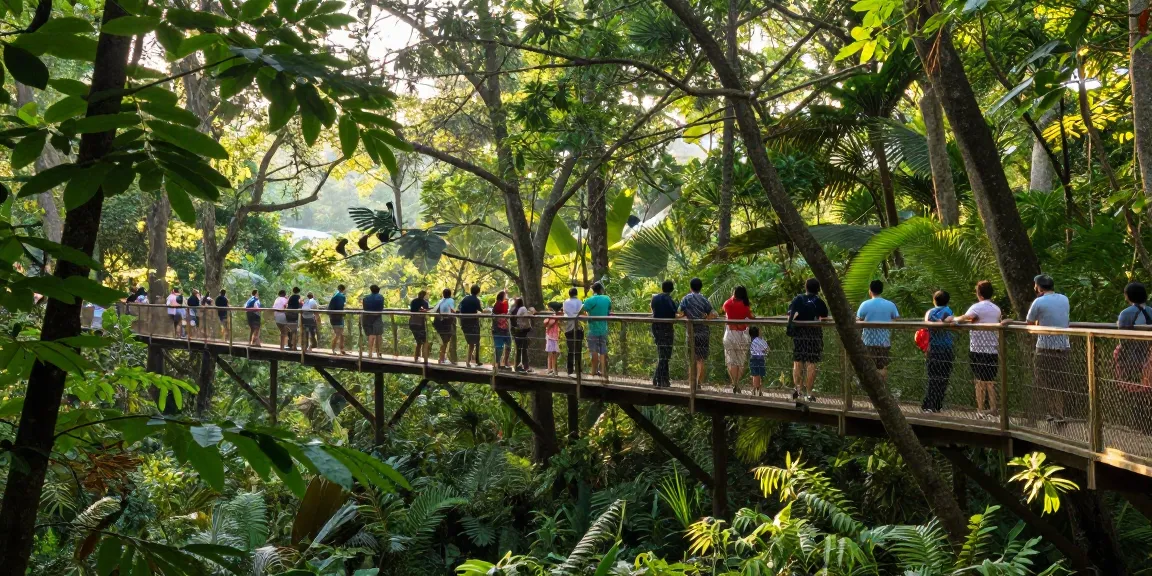
Understanding the Treetop Walkway Experience
As outdoor enthusiasts and nature lovers seek immersive experiences that allow them to connect with the environment, Treetop Walkway has emerged as a popular choice. These elevated pathways offer visitors a unique vantage point from which to explore the wonders of the forest canopy. Imagine walking upon a pathway suspended among the treetops, surrounded by the sights and sounds of wildlife, with breathtaking views stretching as far as the eye can see. This enchanting experience not only delights the senses but also provides educational opportunities about ecology and conservation that are crucial in today’s world.
What is a Treetop Walkway?
A treetop walkway is a pedestrian structure designed to provide access to the upper layers of a forest, creating a unique perspective on the surrounding environment. Generally constructed of wood, steel, or composite materials, these walkways can be elevated up to several metres above the ground and are often integrated into nature reserves or botanical gardens. Unlike traditional hiking trails, a treetop walkway allows visitors to engage with the forest ecosystem in a distinctly different way, offering an unobstructed view of the flora and fauna above ground.
Key Features of Treetop Walkways
Treetop walkways often feature several essential elements that enhance visitor experience:
- Height and Structure: Walkways can reach significant heights (often between 10 to 70 feet or more), allowing for dramatic views and an invigorating sense of elevation.
- Scenic Design: Many walkways incorporate viewing platforms, lookout towers, or observation decks that provide optimal viewpoints for spotting birds and other wildlife.
- Accessibility: Designed with families in mind, many treetop walkways are accessible to individuals with different mobility needs, featuring ramps and smooth pathways.
- Interpretive Signage: Educational displays along the walkways often provide insights into the local ecosystem, including plant identification and wildlife conservation efforts.
Benefits of Visiting a Treetop Walkway
Visiting a treetop walkway comes with numerous benefits that appeal to various interests:
- Environmental Awareness: Walkers gain a unique perspective of the forest ecosystem and may appreciate the complexity of biodiversity from an elevated position.
- Health Benefits: Nature walks promote physical well-being, while the tranquillity of the forest environment contributes to mental health and stress relief.
- Family Experiences: Treetop walkways provide an engaging outdoor activity for families with children, encouraging exploration and learning.
- Adventure and Thrill: The height and view from the walkways create an exciting and adventurous atmosphere, motivating individuals to step out of their comfort zones.
Planning Your Visit to a Treetop Walkway
When considering a visit to a treetop walkway, planning can significantly enhance the experience. Various factors contribute to a successful outing, from selecting the right location to preparing for different weather conditions.
Top Treetop Walkways in the UK
The UK boasts numerous treetop walkways that vary in scenery and design:
- Forest of Dean Tree Top Adventure: Located in Gloucestershire, this treetop adventure features a series of aerial ropes courses, zip lines, and a suspended walkway through the forest.
- Kew Gardens Treetop Walkway: This iconic walkway provides a stunning view of the historic gardens and is designed with environmental sustainability in mind.
- Galloway Forest Park: One of the most serene locations, this park offers a treetop experience amidst one of Scotland's most picturesque landscapes.
- Bedgebury Pinetum: This treetop walkway allows visitors to wander among towering conifers, showcasing the unique biodiversity of this remarkable location.
How to Prepare for Your Treetop Adventure
Preparation is key to enjoying the experience fully. Consider the following tips:
- Dress Comfortably: Opt for sturdy footwear and comfortable clothing to enjoy walking through the forest without discomfort.
- Weather Check: Always check the weather forecast before your visit to avoid rain or extreme heat, which could affect your enjoyment.
- Pack Essentials: Bring water, snacks, and a camera to capture the stunning views.
- Plan Ahead: Some walkways may require tickets or have limited entry; make sure to check before your visit.
Best Times to Visit for Optimal Experiences
The experience of walking among the treetops can vary significantly with seasons and times of day. Here are a few recommendations:
- Spring and Autumn: These seasons offer pleasant weather with vibrant colours and ideal visibility for spotting wildlife.
- Early Mornings: Visiting early in the morning can provide a quieter experience, allowing for optimal birdwatching and fewer crowds.
- Weekdays over Weekends: If possible, visit on a weekday to avoid large groups and have a more serene experience.
Safety and Accessibility Considerations
Safety is paramount when enjoying treetop walkways, as they often include heights and natural terrain. Here are key considerations:
Safety Measures on Treetop Walkways
Most treetop walkways have strict safety measures in place to ensure the well-being of visitors:
- Regular Inspections: Structures are routinely inspected for wear and safety, including support cables and railings.
- Guided Tours: Some locations offer guided tours to educate visitors about safety protocols and proper walking techniques.
- Emergency Procedures: Familiarize yourself with emergency exits and procedures in case of inclement weather or other emergencies.
Accessibility Features for All Visitors
Understanding the importance of inclusivity, many treetop walkways are designed with accessibility in mind:
- Ramps and Lift Access: Look for walkways that offer ramps or lifts for those with mobility challenges.
- Rest Areas: Accessible rest areas are often provided along the walkway for breaks if needed.
- Guided Assistance: Some parks offer assisted tours for those who may require additional support.
Common Concerns and FAQs Addressed
Visitors often have common concerns regarding treetop walkways. Here are answers to some frequently asked questions:
- Is the treetop walk suitable for children? Most treetop walkways are family-friendly, but it’s essential to check age restrictions and supervision requirements.
- What if I am afraid of heights? If you are uncomfortable with heights, consider visiting during less busy times to reduce anxiety.
- Are there facilities available? Many locations have restrooms, cafes, and picnic areas to accommodate visitors.
Environmental Impact and Conservation
Treetop walkways play a significant role in promoting conservation and environmental awareness:
How Treetop Walkways Promote Conservation
By allowing visitors to experience the forest ecosystem without disturbing its natural state, treetop walkways foster a deeper appreciation for nature:
- Education and Awareness: Walkways typically feature educational signage that informs visitors about local species and environmental issues.
- Habitat Protection: Elevated pathways can reduce foot traffic on sensitive forest floors, helping to preserve local habitats.
- Community Engagement: Encouraging local participation in conservation efforts through walks and educational tours builds community awareness.
Wildlife Interactions: What to Expect
Visitors to treetop walkways can enjoy various wildlife interactions, often providing unforgettable experiences:
- Birdwatching: Many species of birds can be observed nesting and flying among the treetops.
- Insects and Flora: Treetop walkways allow a closer look at the diverse flora and fauna found in the upper layers of the forest.
- Guided Tours: Some locations offer guided tours that focus specifically on wildlife conservation and ecological education.
Sustainable Practices in Treetop Walkway Design
As environmental consciousness grows, many treetop walkways are designed with sustainability in mind:
- Local Materials: Sustainable timber and local materials are often used to reduce the carbon footprint of construction.
- Minimal Disturbance: Minimal ground disturbance methods are employed to protect the natural ecosystem during installation.
- Solar Energy: Many walkways use solar-powered lighting and facilities, enhancing their ecological credentials.
Future Trends for Treetop Walkways in 2026
The evolution of treetop walkways reflects changing expectations and innovations in outdoor recreation. Here are some trends to watch for:
Innovative Designs and Concepts
Future walkways are likely to embrace more innovative designs that prioritise both aesthetics and functionality:
- Biophilic Design: Incorporating natural elements into the design will create an immersive experience that blends seamlessly with the environment.
- Modular Designs: Prefabricated modules may allow for quicker assembly and reduced impacts on the surrounding ecosystem.
The Role of Technology in Enhancing Experiences
Advancements in technology are expected to enhance the visitor experience:
- Augmented Reality (AR): AR experiences could provide educational content through mobile apps, enriching the learning experience.
- Interactive Displays: Touchscreen displays may be installed throughout walkways to engage visitors with interactive educational content.
Predictions for Visitor Trends and Engagement
As more people seek immersive natural experiences, visitor engagement in treetop walkways is expected to grow:
- Increase in Domestic Tourism: The trend of exploring local environments is likely to continue, with treetop walkways becoming popularised as local attractions.
- Family-Friendly Events: Special events and educational programmes targeting families and children may become more prominent, promoting conservation through learning.
In conclusion, a visit to a treetop walkway can be both an enlightening and exhilarating experience. The beauty of soaring above the forest floor and the chance to connect with nature are unmatched benefits that resonate with those looking to discover the wonders of the natural world. With a focus on safety, accessibility, and environmental conservation, treetop walkways promise to remain a significant attraction for nature enthusiasts for years to come.