Understanding CNC Machining Services
In today's fast-paced manufacturing landscape, businesses are constantly seeking ways to optimize production efficiency, reduce costs, and maintain high quality. One of the most effective methods to achieve these goals is through cnc machining service, which utilizes the precision of computer numerical control (CNC) systems to manufacture parts with remarkable accuracy. This process not only enhances the speed of production but also provides substantial flexibility for creating complex geometries that are essential in various industries.
What is CNC Machining?
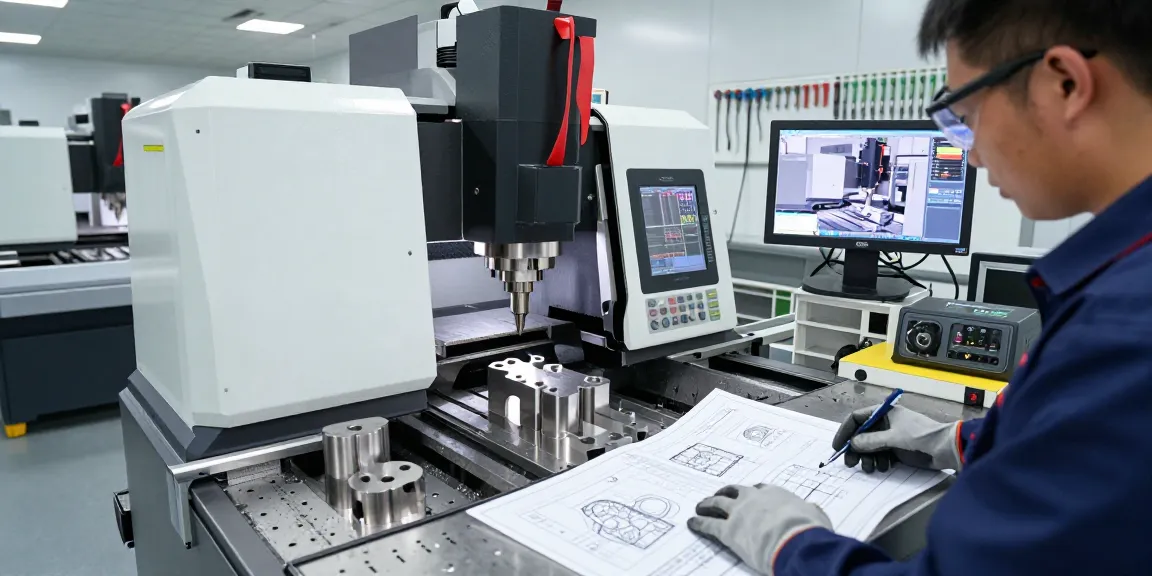
CNC machining is a subtractive manufacturing process that employs pre-programmed computer software to control the movement of machinery and tools. It allows for the creation of intricate designs from various materials, including metals, plastics, and composites. CNC machines use various techniques such as milling, turning, drilling, and grinding to shape components according to precise specifications.
Key Benefits of CNC Machining Services
- Precision and Accuracy: CNC machining ensures high precision with tolerances often reaching ±0.001 inches, crucial for applications where even the smallest deviation can lead to failure.
- Scalability: Whether producing a single prototype or large-scale production runs, CNC machines can easily scale operations according to demand.
- Complex Geometries: CNC machining can manufacture intricate parts that would be difficult or impossible to achieve using traditional machining methods.
- Reduced Labor Costs: Automation in CNC machining reduces the need for manual intervention, allowing skilled workers to focus on complex tasks rather than repetitive operations.
CNC Machining vs. Traditional Machining
Unlike traditional machining methods that often rely on human intervention, CNC machining automates the production process, leading to reduced variability and increased throughput. Traditional methods may require manual setup and adjustment, which can introduce errors. In contrast, CNC systems require initial programming and setup, but once operational, they produce consistent results with minimal oversight. This automation aspect provides a significant edge in terms of reliability and quality assurance, particularly for high-volume manufacturing.
Applications of CNC Machining in Various Industries
CNC Machining in Aerospace
The aerospace industry demands exceptional quality and precision, making CNC machining indispensable. Components like turbine blades, landing gear, and fuselage parts must meet strict regulatory standards. With CNC technology, manufacturers can produce lightweight yet durable parts from advanced materials, ensuring safety and performance in flight.
CNC Machining for the Automotive Sector
In the automotive industry, CNC machining is vital for producing high-quality components such as engine blocks, transmission housings, and custom brackets. The ability to quickly prototype and produce parts allows automotive companies to respond rapidly to design changes and consumer demands, thereby reducing time-to-market.
Electronics and Medical Device Applications
CNC machining is essential for the electronics industry, where components like circuit boards and casings require precise tolerances. The medical sector also benefits significantly, crafting device housings and surgical instruments that demand high hygiene standards and robust functionality. The reliability of CNC machined parts plays a crucial role in maintaining regulatory compliance.
Quality Assurance in CNC Machining
Importance of Precision and Tolerance
In CNC machining, precision and tolerance are paramount. The ability to consistently produce parts within specified limits not only ensures compatibility and performance but also mitigates risks associated with part failure. To achieve this, manufacturers employ rigorous quality control measures throughout the production process.
Advanced Testing Equipment and Inspection Processes
Quality assurance relies on advanced testing equipment such as coordinate measuring machines (CMM) and optical comparators to verify dimensions and surface integrity. Inspection processes often include first article inspections (FAI) and ongoing random sampling to uphold stringent quality standards.
After-Sales Support and Customer Feedback
After-sales support is critical in CNC machining, as clients often require assistance with integration and further modifications to their parts. Collecting customer feedback allows manufacturers to continuously improve their processes and product offerings, leading to enhanced customer satisfaction and loyalty.
Best Practices for Choosing a CNC Machining Service Provider
Assessing Capability and Capacity
When selecting a CNC machining service provider, it is essential to assess their capabilities in handling projects of varying sizes and complexities. A suitable provider should have diverse machinery and skilled personnel who can meet specific industry requirements.
Evaluating Cost-Effectiveness
Cost is always a consideration in manufacturing. It’s important to evaluate not only the price of services but also the total cost of ownership, which includes factors like lead time, quality, and delivery performance. Companies that prioritize quality over cost may find greater long-term savings through fewer defects and delays.
Understanding Lead Times and Delivery Options
Fast lead times are critical in today’s market. When collaborating with a CNC machining service provider, understanding their production capacity and scheduling capabilities helps ensure that your needs are met promptly. Providers who can deliver on time with quality parts will help maintain your production schedules.
The Future of CNC Machining Services: Trends for 2026
Innovative Technologies Impacting CNC Machining
The evolution of CNC machining is heavily influenced by advancements in technology such as artificial intelligence (AI), machine learning (ML), and IoT (Internet of Things). These technologies promise to enhance automation, predictive maintenance, and real-time analytics, further improving operational efficiency.
Environmental Considerations and Sustainability
As organizations face increasing pressure to adopt sustainable practices, CNC machining is evolving towards greener manufacturing solutions. This includes using eco-friendly materials, reducing waste during production, and implementing energy-efficient processes.
Predictions for Market Growth and Customer Demands
The CNC machining market is expected to grow significantly over the next few years, driven by increasing demand for precision components across various industries. As consumer expectations evolve, manufacturers will need to adapt to offer more customized solutions, enhancing their service portfolios to meet these changing demands.
What are the advantages of CNC machining services?
CNC machining services offer numerous advantages, including increased precision, the ability to manage complex geometries, and enhanced efficiency. The automation of processes also leads to decreased labor costs and faster turnaround times, making it ideal for both low and high-volume production runs.
How does CNC machining ensure high precision?
High precision in CNC machining is achieved through the use of sophisticated software that controls the tools and machinery with extreme accuracy. Advanced calibration and testing methods further ensure that production remains within specified tolerances.
What industries benefit most from CNC machining?
Industries such as aerospace, automotive, electronics, medical devices, and consumer products heavily rely on CNC machining. The distinct requirements for precision and reliability in these sectors make CNC machining an invaluable resource.
How to evaluate a CNC machining service provider?
To effectively evaluate a CNC machining service provider, consider factors such as their equipment capabilities, production scalability, lead times, quality assurance processes, and customer service reputation. A comprehensive assessment will help identify the right partner for your manufacturing needs.
What future trends should I watch in CNC machining?
Key trends to watch in CNC machining include the integration of artificial intelligence and machine learning for enhanced automation, a shift towards sustainable practices, and increased customization to meet unique customer demands. Staying abreast of these trends will be crucial for manufacturers looking to remain competitive in the evolving landscape.