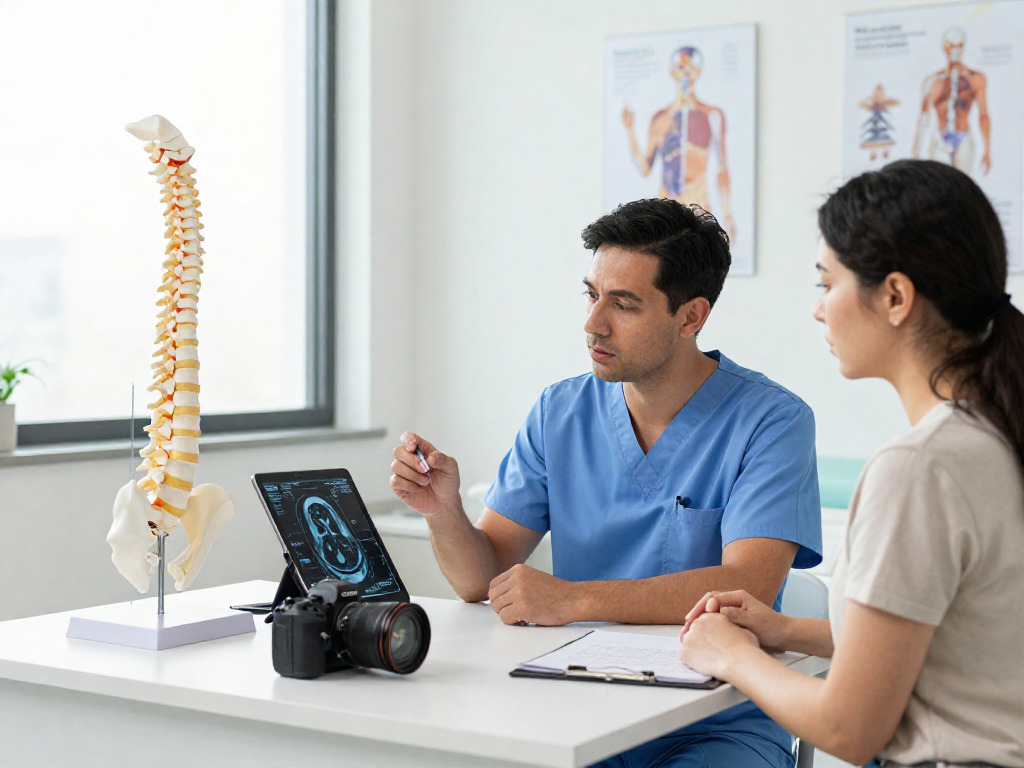
Understanding Boyun Fıtığı Ameliyatı
Boyun fıtığı, spinal disklerin yerinden kayması sonucu ortaya çıkan bir durumdur ve bu durum, sinir köklerine veya omuriliğe bası yaparak çeşitli semptomlara yol açabilir. Bu tür bir rahatsızlık, çoğunlukla santral sinir sisteminde ve vücut işlevselliğinde ciddi sorunlar yaratabilir. Belirtiler genellikle boyun ağrısı, kol ağrısı, uyuşma ve güç kaybı şeklinde kendini gösterir. Boyun fıtığı ameliyatı, bu tür durumların tedavisinde önemli bir seçenek haline gelir.
What Is a Herniated Disc?
A herniated disc, commonly referred to as a slipped or ruptured disc, occurs when the inner gel-like core of the disc protrudes through a tear in the outer layer. This can lead to nerve compression, resulting in pain, weakness, or numbness that can radiate down into the arms or legs. In the cervical spine, herniated discs are particularly concerning as they can affect vital functions.
Symptoms Triggering Surgery Needs
Many patients experience varying degrees of discomfort due to a herniated disc, but surgery becomes a consideration when specific symptoms emerge. These include severe and persistent pain that does not respond to conservative treatments, progressive muscle weakness, loss of fine motor skills, and significant neurological deficits such as problems with walking or maintaining balance.
Surgical Indications for Boyun Fıtığı
Identifying when surgery is necessary for a herniated disc involves a thorough evaluation of symptoms and imaging results. The decision for surgery is not only based on MRI findings but also considers clinical examinations and nerve function assessments.
Progressive Muscle Weakness as a Red Flag
One of the most critical reasons for surgery is progressive muscle weakness. If a patient begins to experience noticeable weakness in the arms or hands, such as difficulty in gripping objects or performing fine motor tasks like buttoning a shirt, it indicates that nerve damage may be occurring. In such cases, urgent surgical intervention is required to prevent permanent loss of function.
Severe Pain Refractory to Treatment
When conservative treatments—including physical therapy, pain medications, and rest—do not alleviate severe pain within a period of 6 to 8 weeks, surgical options should be explored. Pain that drastically affects quality of life and inhibits daily activities is a significant red flag, indicating a need for surgical evaluation.
Signs of Spinal Cord Compression
If a herniated disc compresses not only nerve roots but also the spinal cord, it can lead to serious complications. Symptoms of spinal cord compression, or myelopathy, may include instability when walking, loss of coordination, and even loss of bladder or bowel control in advanced cases. These symptoms necessitate immediate surgical evaluation to prevent further deterioration of neurological function.
Risks Associated with Boyun Fıtığı Ameliyatı
While modern surgical techniques have made procedures for herniated discs safer than ever, certain risks remain. Understanding these risks is crucial for patients considering surgery, ensuring they are well-informed before making a decision.
Common Complications and Their Management
Potential complications can include infection, blood clots, anesthesia-related risks, and issues arising from nerve injury. One of the most commonly reported post-operative effects is difficulty swallowing, which may occur in 1-2% of cases, even in patients without pre-existing weakness. Managing expectations and understanding these risks can make for a smoother surgical journey.
Post-Surgical Recovery Expectations
Post-surgery, many patients experience a significant reduction in pain and improvement in function. However, recovery can vary based on individual health factors and the severity of the original condition. Patients are typically advised to follow a rehabilitation program that includes physical therapy to aid recovery and improve strength.
Long-Term Outcomes and Quality of Life
For most, surgery yields promising long-term outcomes, significantly improving quality of life. Studies indicate that a high percentage of patients experience lasting relief from pain and functional improvement after undergoing surgery for cervical herniated discs.
Preventive Measures for Neck Health
Preventing future occurrences of herniated discs requires proactive measures aimed at maintaining neck health. Simple lifestyle modifications can have a profound impact on spinal health.
Ergonomic Adjustments in Daily Life
Implementing ergonomic practices, such as proper desk setup, using supportive chairs, and adjusting monitor heights, can significantly reduce strain on the neck. Being mindful of posture, especially when sitting for long periods, is vital in minimizing stress on spinal structures.
Exercises for Strengthening the Neck
Regular neck strengthening exercises can bolster the muscles surrounding the cervical spine, providing better support and reducing the likelihood of injury. Activities such as yoga and targeted neck exercises can be beneficial.
Routine Check-Ups and Early Intervention
Regular check-ups with a healthcare provider can facilitate early intervention for any emerging spinal issues. Early detection and management of symptoms can prevent conditions from progressing to a point where surgical intervention becomes necessary.
Frequently Asked Questions
When is Boyun fıtığı surgery absolutely necessary?
Surgery for a herniated disc is deemed necessary when there are progressive neurological deficits, severe pain unresponsive to conservative measures, or signs of spinal cord compression.
What are potential long-term effects of untreated fıtık?
Untreated herniated discs may lead to chronic pain, permanent nerve damage, and loss of function in affected areas, resulting in a diminished quality of life.
How does one prepare for Boyun fıtığı surgery?
Preparation includes discussing medical history and current medications with the surgeon, undergoing pre-surgical evaluations, and understanding the recovery process and post-operative care.
What rehabilitation is required post-surgery?
Post-surgical rehabilitation typically includes physical therapy focused on regaining strength, improving flexibility, and restoring normal range of motion to prevent recurrence.
How can lifestyle changes reduce the risk of recurrence?
Adopting a healthier lifestyle, maintaining proper posture, incorporating regular physical activity, and avoiding repetitive strain can significantly reduce the risk of recurrence of herniated discs.. Additionally, Boyun fıtığı ameliyatı provides further details.